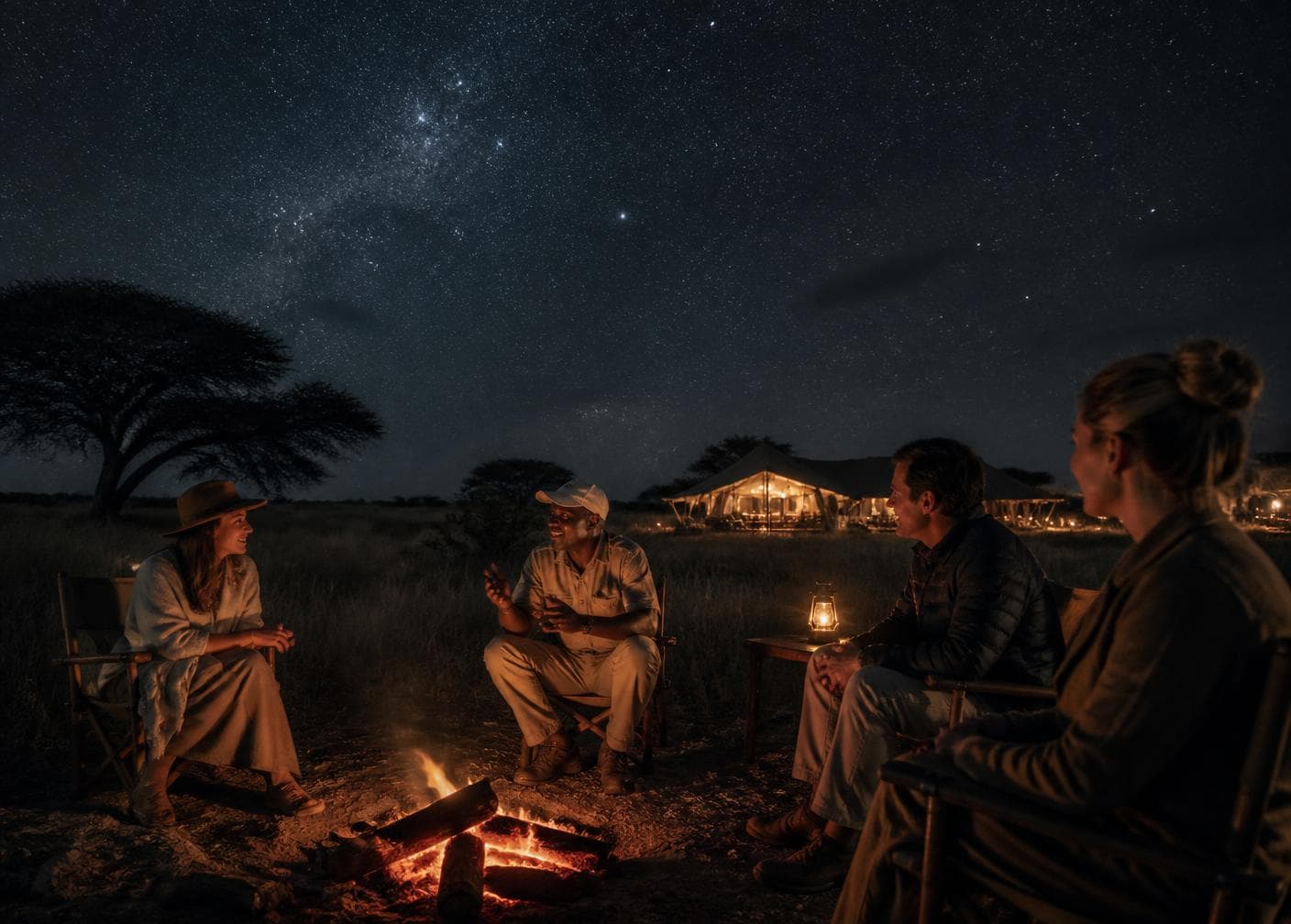
Bwindi Impenetrable Forest
Ancient montane rainforest in the south-west, home to roughly half the world's mountain gorillas across four trekking sectors. Steep, dense and unforgettable.
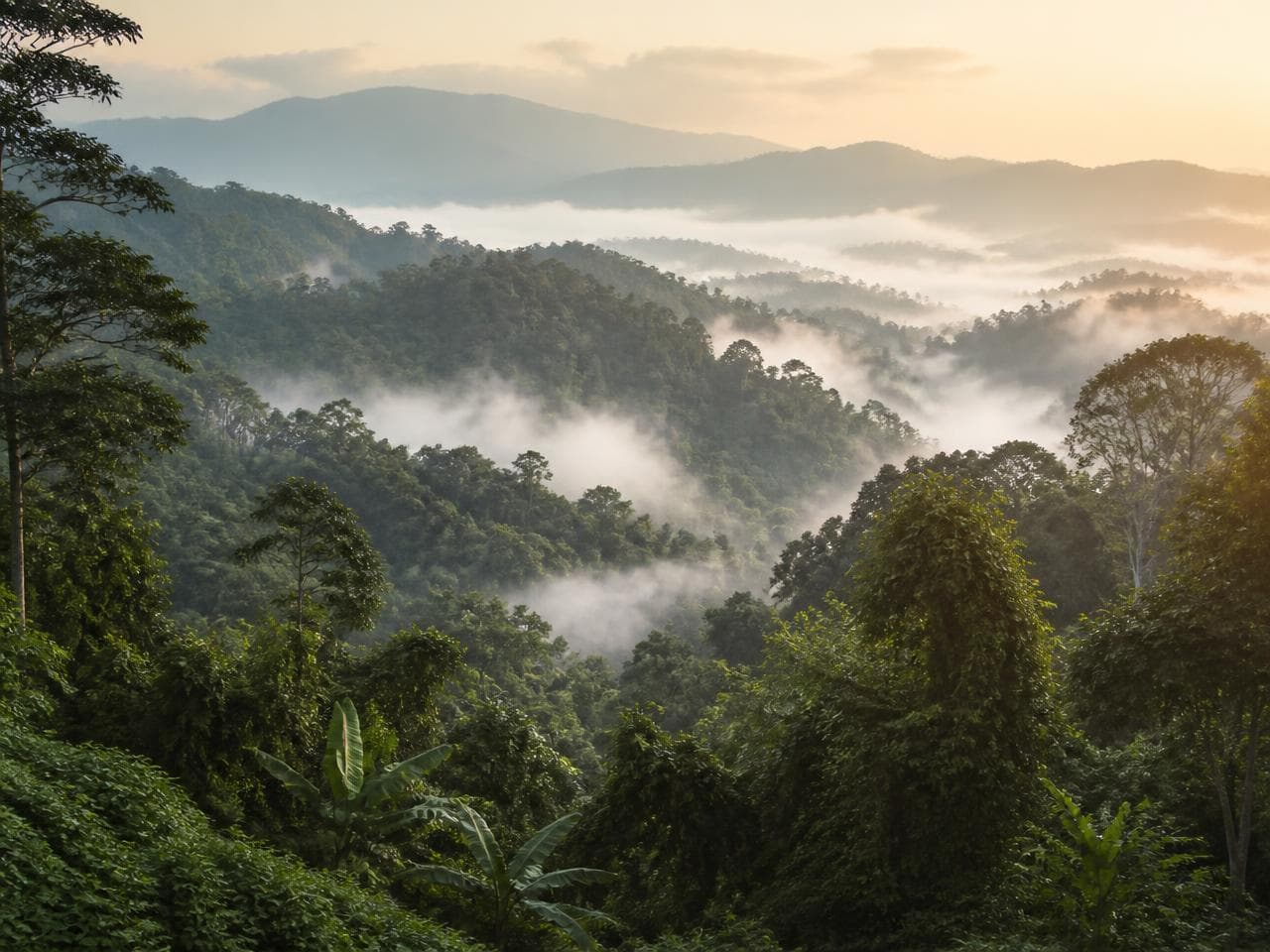
Uganda · The Pearl of Africa
Green where the rest of East Africa is gold. Uganda holds more than half the world's mountain gorillas, the densest chimpanzee populations on the continent, and savannah parks where lions rest in fig trees above the plains.
The destination
Uganda sits on the equator at the meeting point of East African savannah and Central African rainforest, which is why its wildlife list looks different from Kenya's or Tanzania's. Altitude and rainfall keep the country green for most of the year, and much of it is hill country, crater lakes and forest rather than open plain.
Mountain gorillas are the headline. Bwindi Impenetrable Forest and Mgahinga hold habituated family groups, and trekking permits allow one hour with a family after a walk that can take anywhere from one to six hours through steep, dense forest. It is demanding, strictly regulated and, for most travellers, the single strongest wildlife experience in Africa.
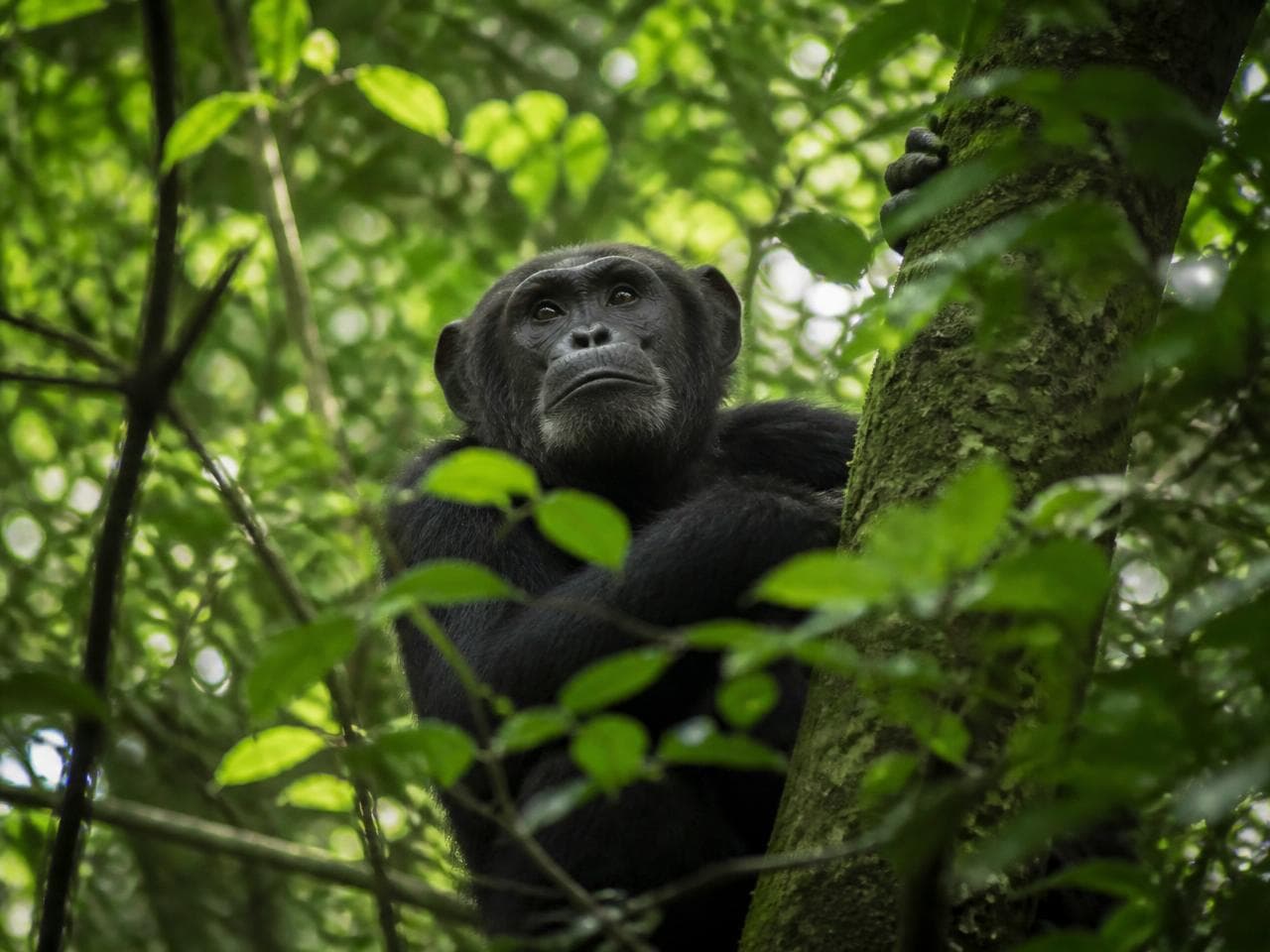
Kibale Forest, further north, has the highest primate density in East Africa — chimpanzees plus red colobus, grey-cheeked mangabey, L'Hoest's monkey and others. Tracking there is easier walking than Bwindi, and the neighbouring Bigodi wetland is excellent for birds.
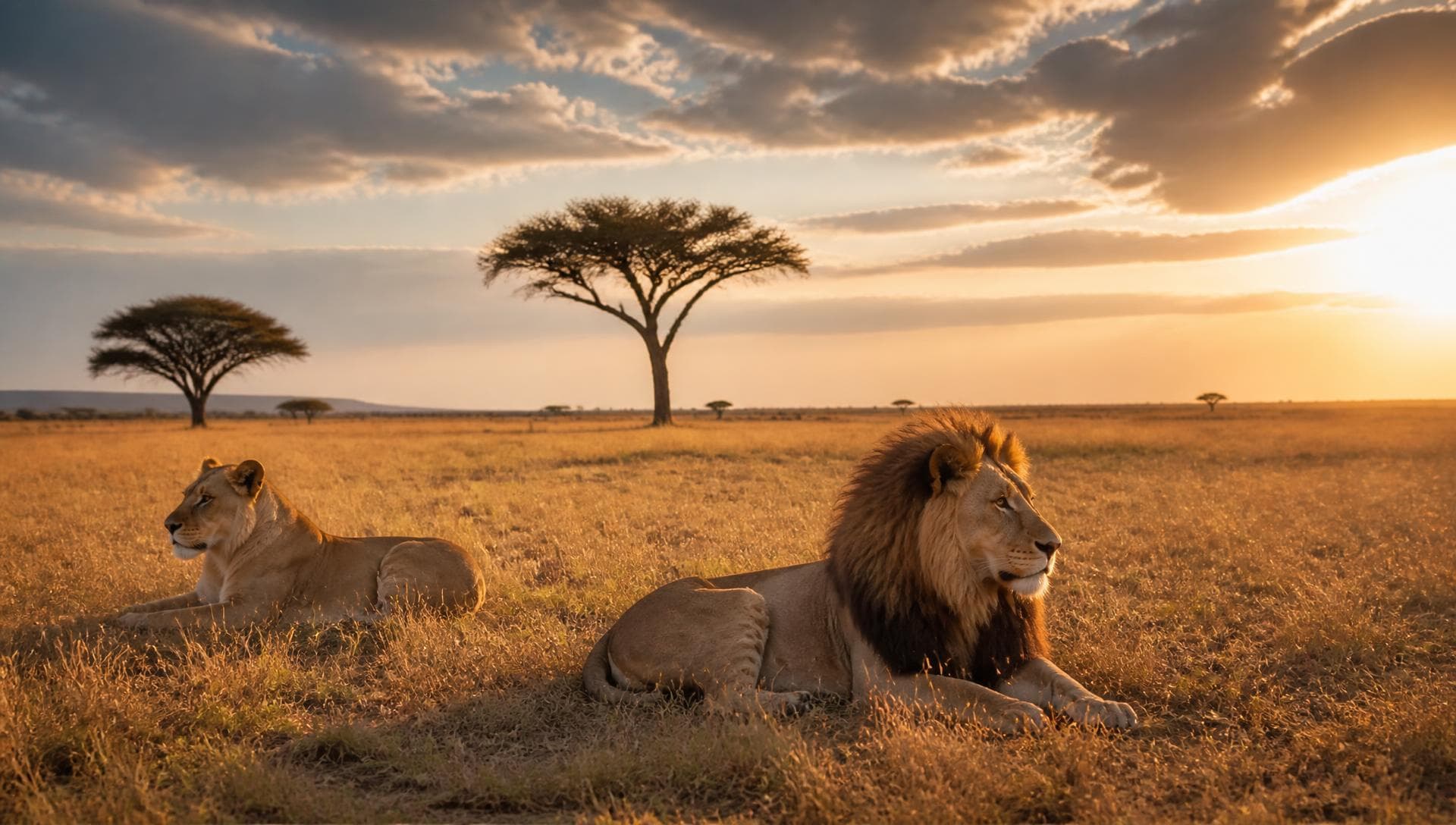
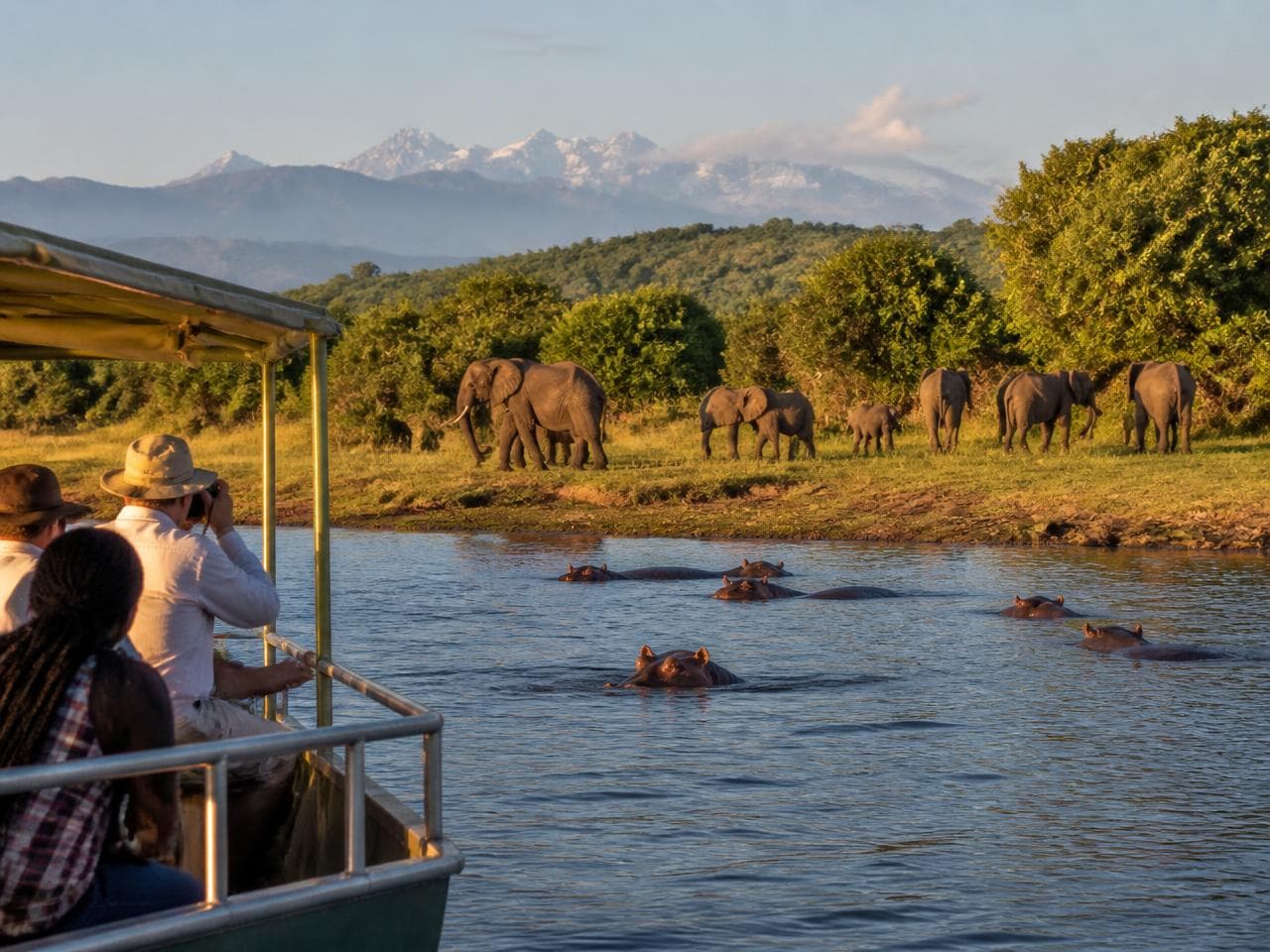
The savannah parks carry the rest of the trip. Queen Elizabeth spans the Kazinga Channel between two lakes and is known for its tree-climbing lions in the Ishasha sector; Murchison Falls has the Nile compressed into a seven-metre gap before it drops, with boat trips below the falls; Kidepo, remote in the north-east, is the wildest of them all. Uganda is also one of the finest birding countries in Africa, with over 1,000 recorded species.
Uganda at a glance
Journeys
Ask us to plan a tailored visit to Uganda.
Safari journeys shown for design purposes.Browse all safaris
Timing
Uganda is green all year and trekking runs in every month. The drier windows simply make forest trails easier and roads faster.
Dec – Feb
Good trekking conditions in Bwindi and Kibale, and the busiest window alongside mid-year. Permits go early.
Mar – May
The wettest months. Forest trails are slippery and some roads are hard going, but the country is at its greenest and lodge rates drop.
Jun – Sep
The most reliable trekking period, with firmer trails and good savannah game viewing as water concentrates.
Oct – Nov
Afternoon showers between clear spells, excellent birding and noticeably fewer visitors on the trails.
Seasonal guidance only — conditions vary year to year.
Key areas
Dedicated pages for each of these are in preparation. For now, this page is the gateway to all Uganda planning.
Ancient montane rainforest in the south-west, home to roughly half the world's mountain gorillas across four trekking sectors. Steep, dense and unforgettable.
The best chimpanzee tracking in East Africa, with thirteen primate species and the Bigodi wetland alongside it. Easier walking than Bwindi.
Savannah, crater lakes and the Kazinga Channel between Lakes Edward and George. Boat trips for hippo and elephant, and tree-climbing lions in the southern Ishasha sector.
Uganda's largest park, split by the Nile as it forces through a narrow gorge. Game drives on the northern bank, boat trips to the foot of the falls and shoebill in the delta.
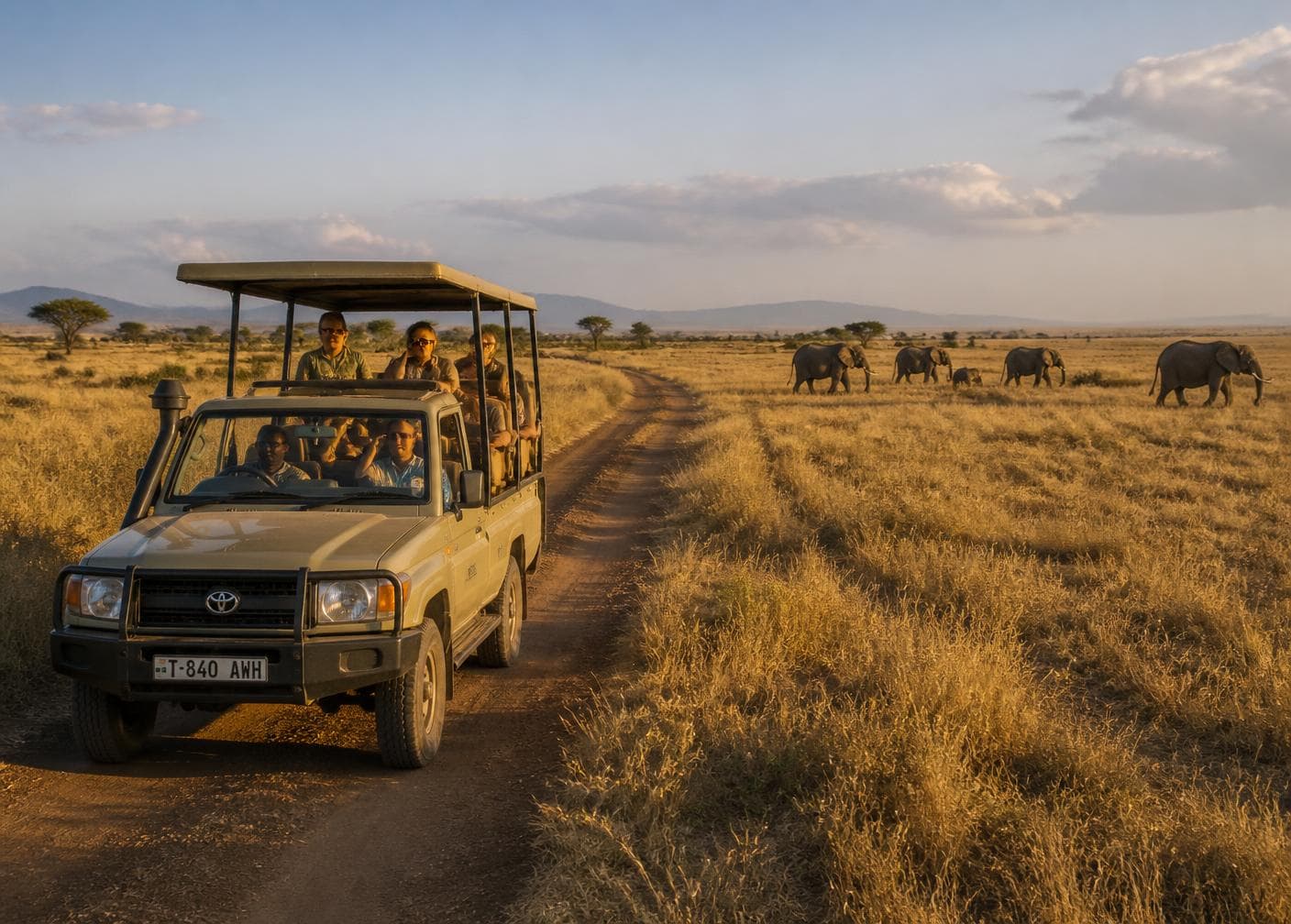
Wildlife and experience
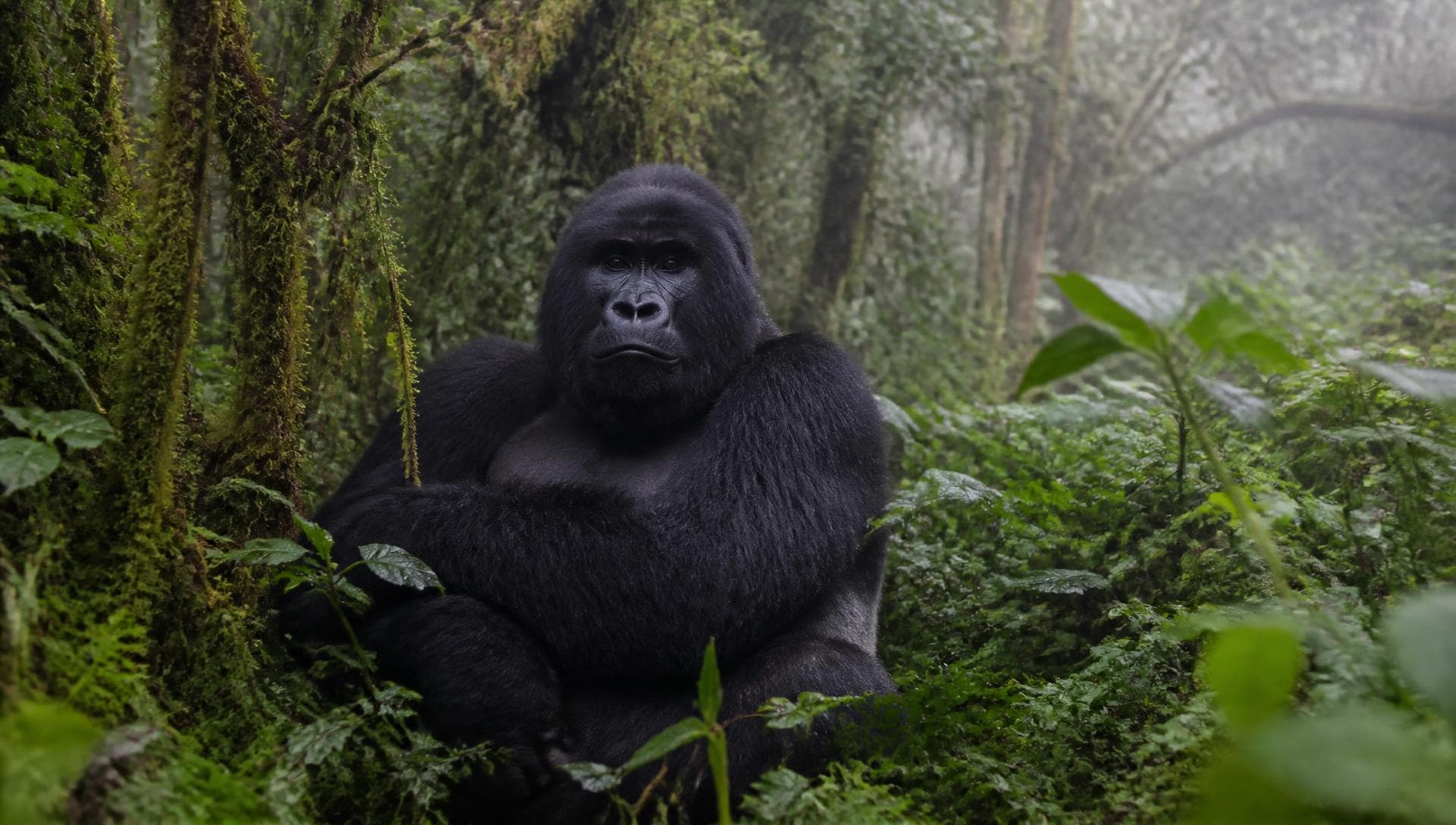
One regulated hour with a habituated family after a demanding forest walk.
Following a noisy, fast-moving community through Kibale's canopy.
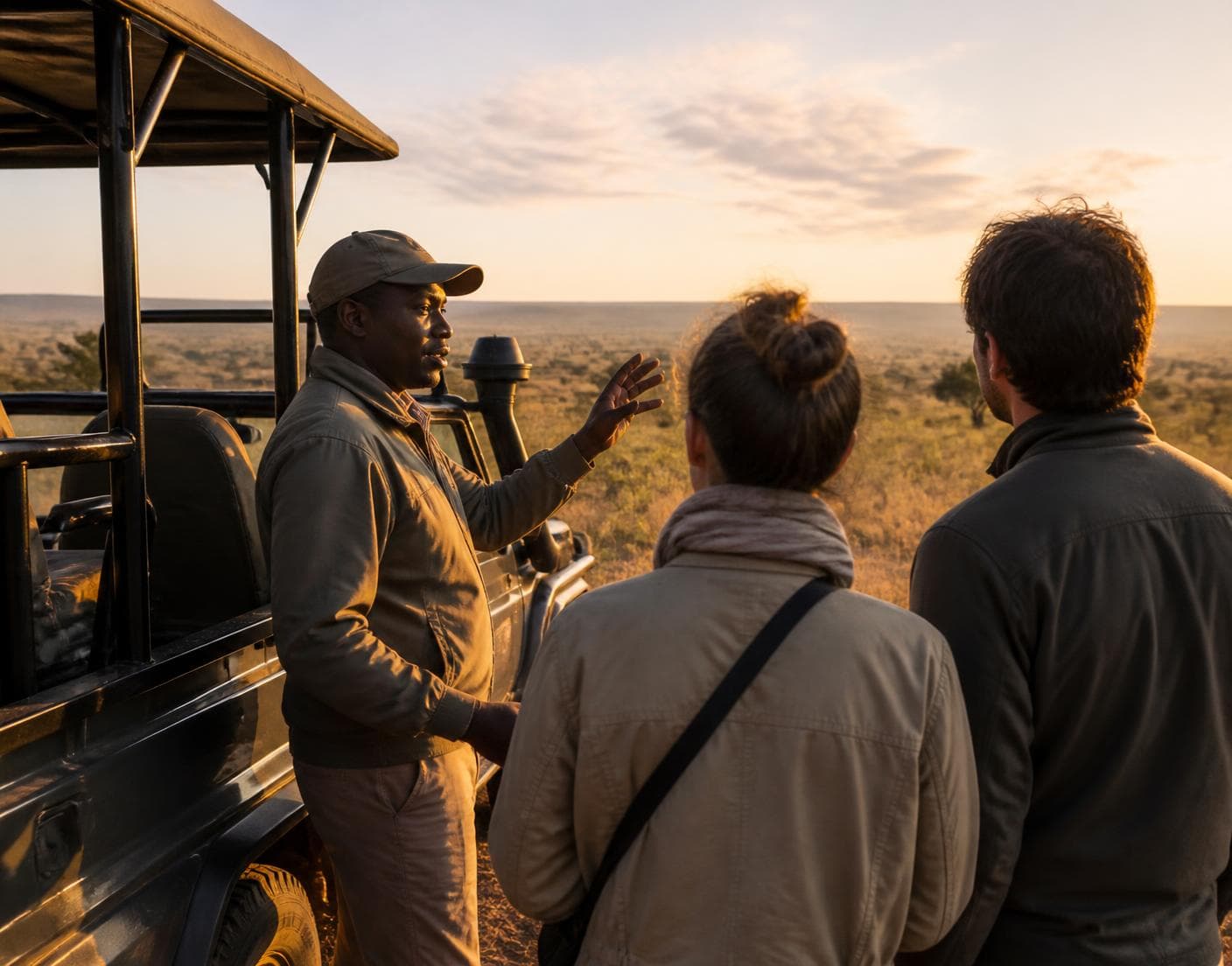
The Ishasha sector's fig trees, where prides rest above the plain.
Hippo, buffalo and enormous numbers of waterbirds at close range.
Over 1,000 species, including the shoebill in the Murchison delta.
Green, cultivated highlands between the parks, best seen slowly.
Nearby
Before you travel
Plan your Uganda safari
Tell us your dates and whether gorillas, chimpanzees or general game viewing matter most. We'll secure permits and build the route around them.