Zanzibar is an archipelago off the Tanzanian coast, dominated by Unguja — the island most people mean when they say Zanzibar — with Pemba to the north. Reefs run along much of the coastline, the water stays around 27 degrees, and flights from the Serengeti, Arusha or Nairobi are short and frequent.
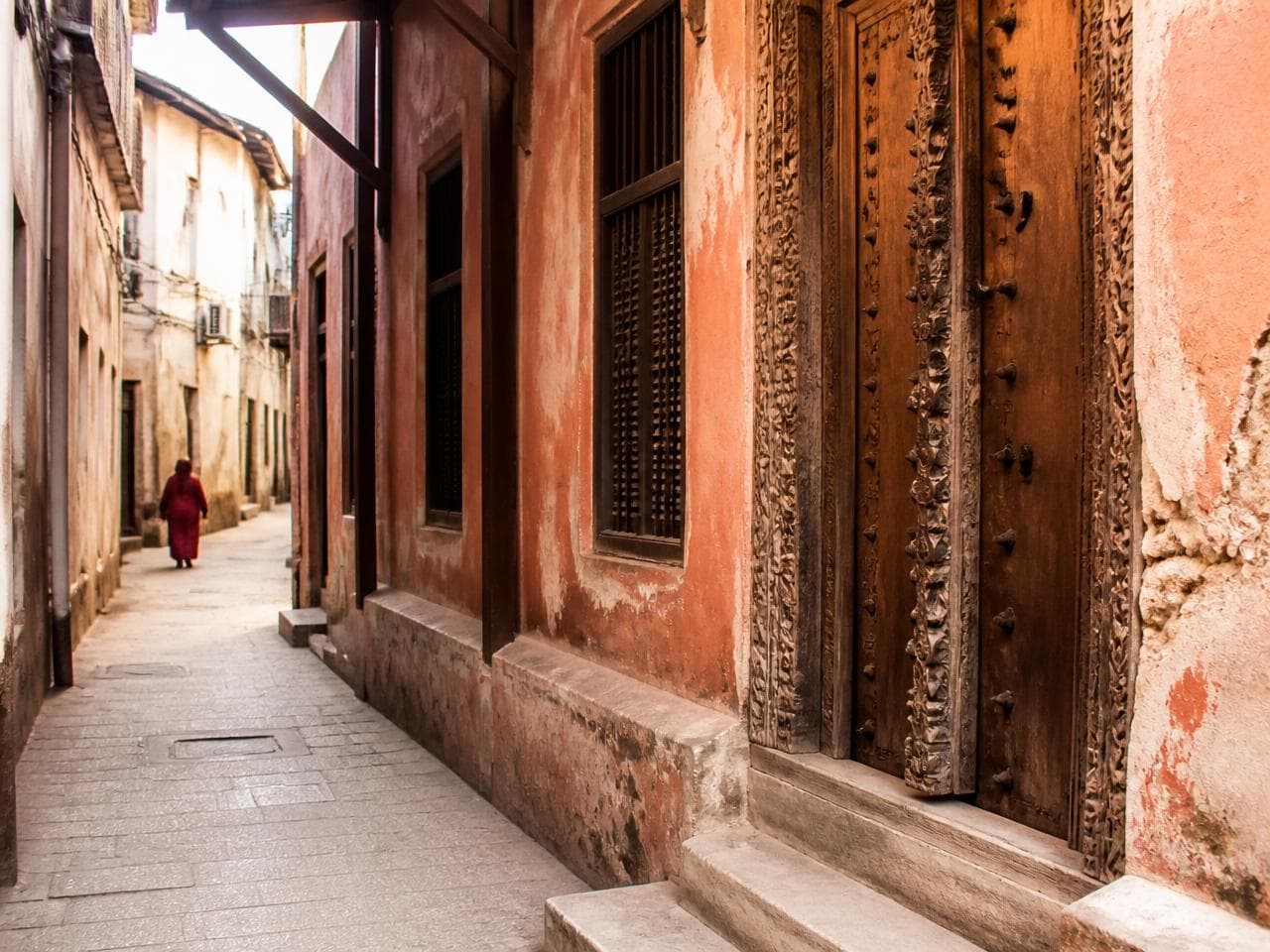
Stone Town is the reason to spend a night or two before heading to the beach. It grew as a Swahili, Omani and Indian Ocean trading port, and the layers show: Arab-influenced merchant houses, Hindu temples, an Anglican cathedral built on the site of the former slave market, and a food market that fills Forodhani Gardens every evening.
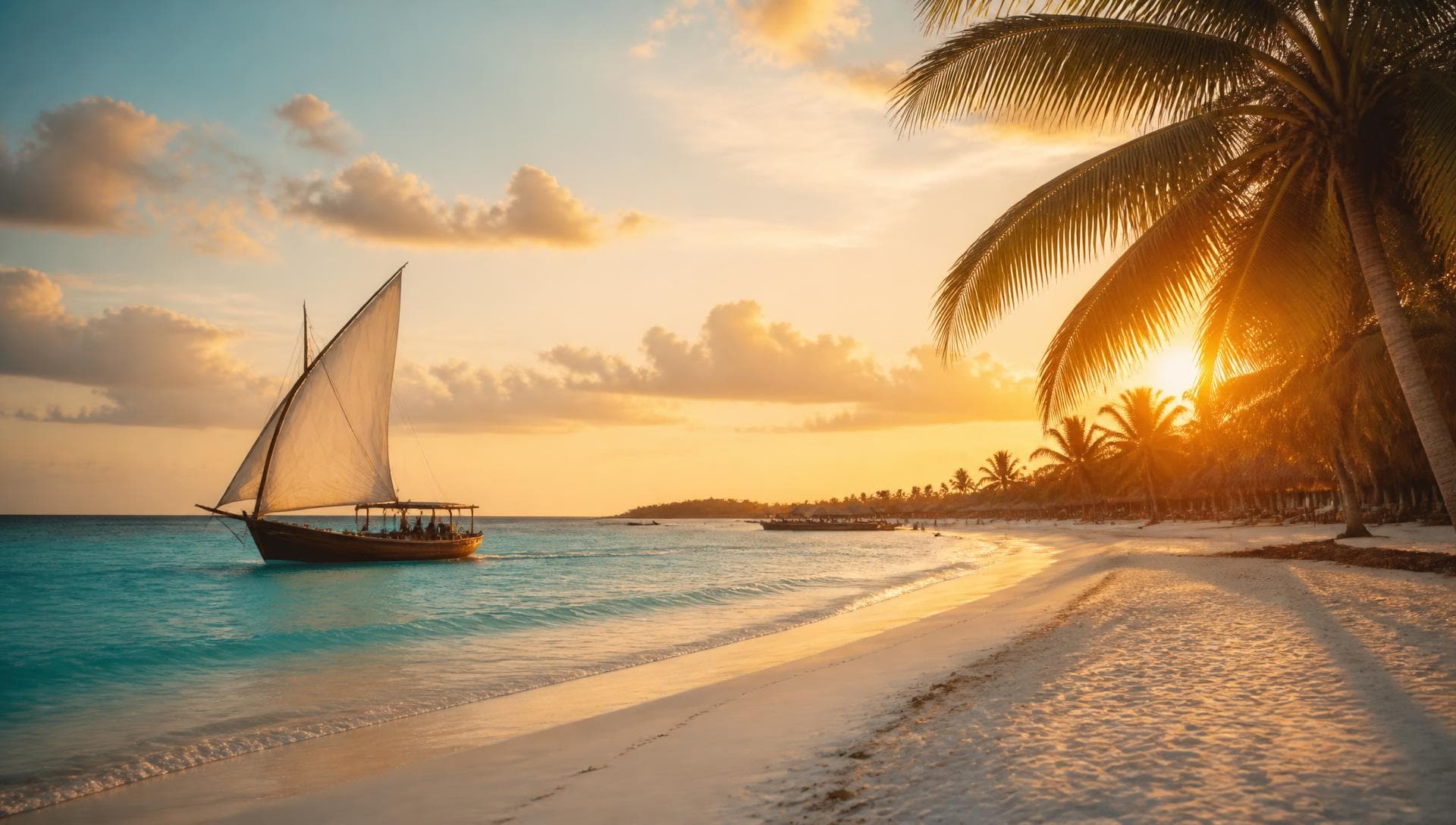
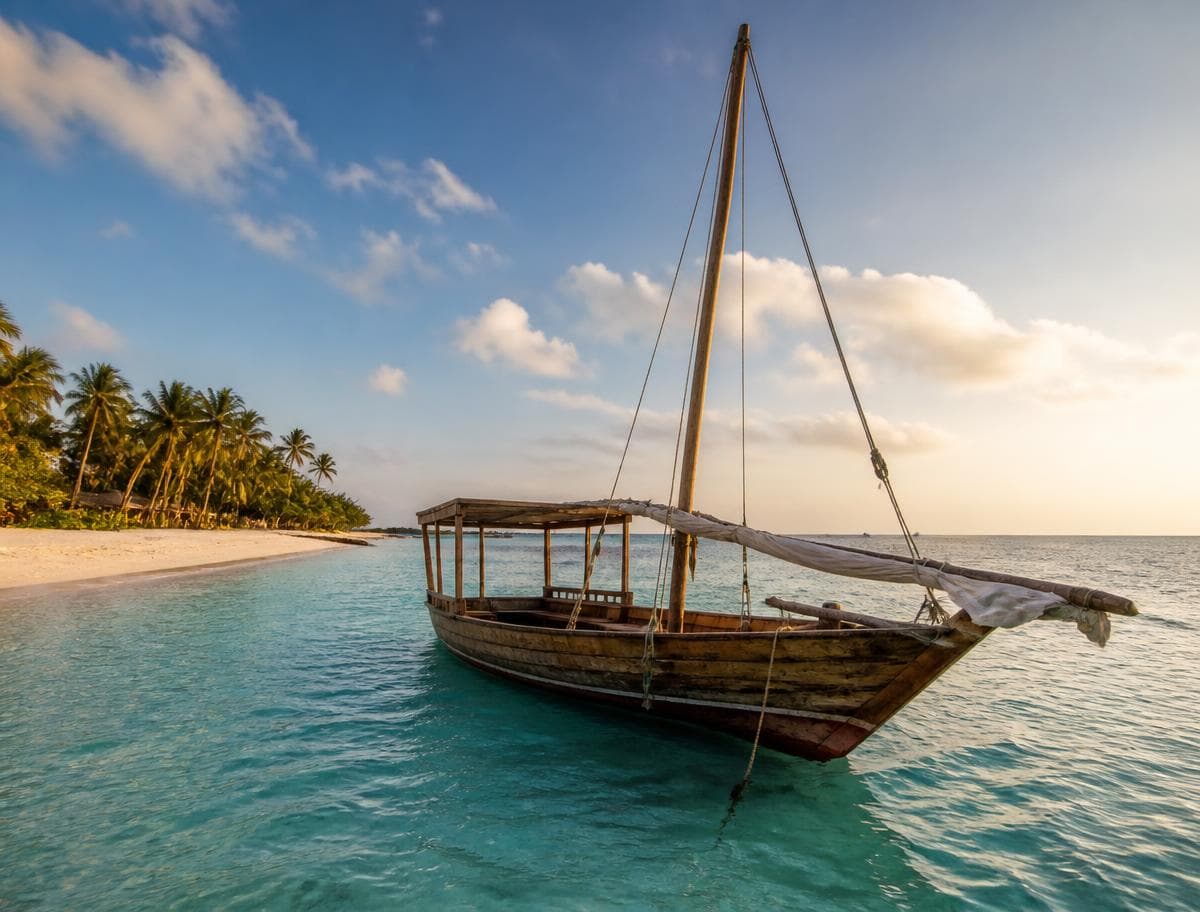
Beaches differ more than photographs suggest, and tide matters. The east coast has the widest white sand and the strongest tidal range, with water retreating far out at low tide. The north around Nungwi and Kendwa swims well at all states of the tide. The south-west is quieter, with sunsets over the water and access to Menai Bay.
Inland there is more than most visitors expect: Jozani Forest with its endemic red colobus monkeys, spice farms that still work rather than just perform, and seaweed farming on the eastern shallows. For divers and snorkellers, Mnemba atoll and the Pemba channel are the standouts.