Skip to content
Go East Africa Safaris
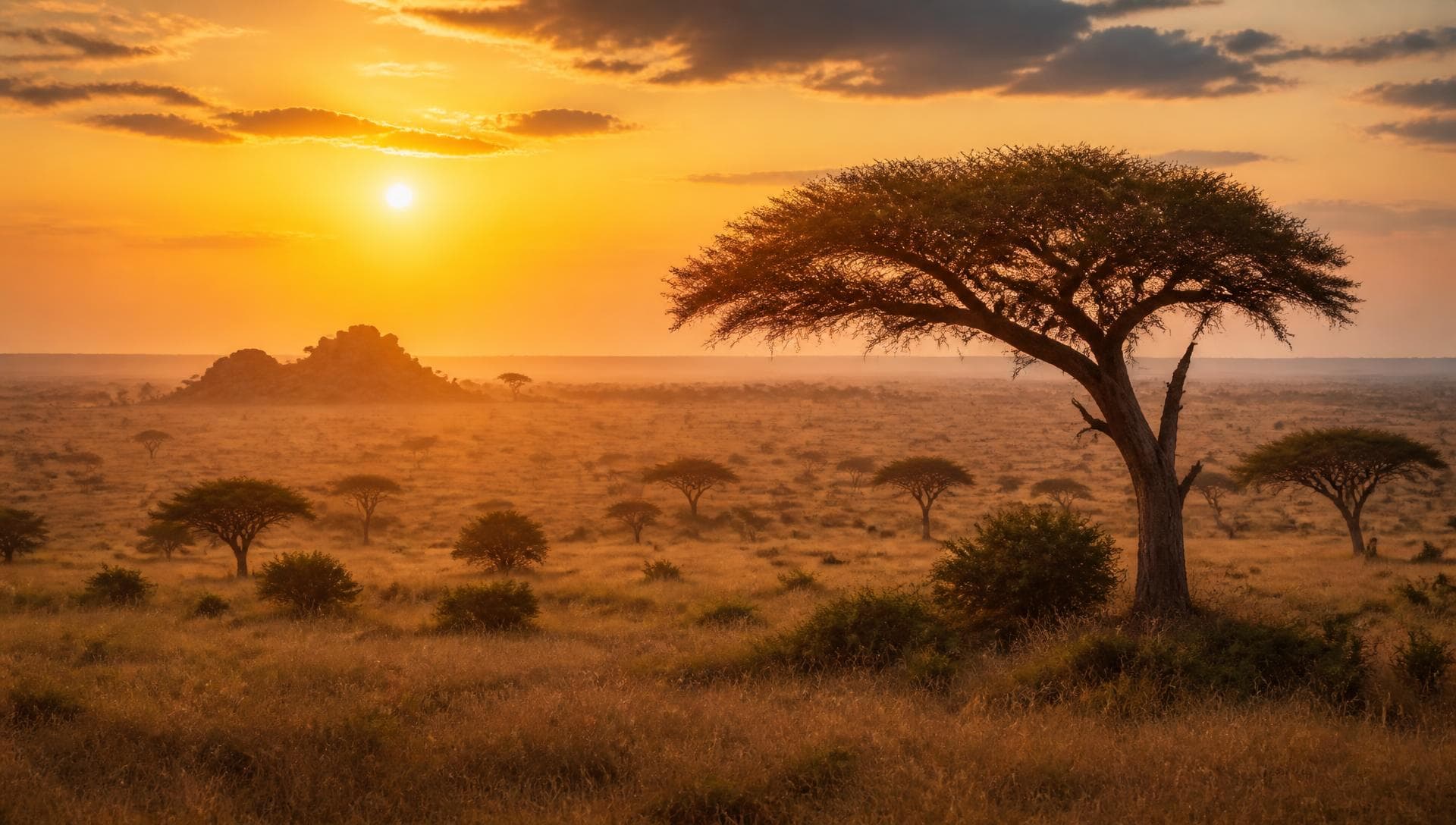
Sunrise over the Serengeti plains with acacia trees and a distant kopje

Tanzania · Northern circuit

Serengeti National Park Safaris

Grassland that runs past the horizon, granite kopjes holding lion prides, and close to two million grazing animals moving through it in a circuit that never really stops. The Serengeti is the largest and most consistently rewarding wildlife landscape in East Africa.

  • Tanzania
  • Wildlife safari
  • Great Migration
  • Year-round destination

The destination

A landscape built around movement.

The Serengeti covers roughly 14,750 square kilometres of northern Tanzania, from the short-grass plains near Ndutu in the south to the Mara River in the north. Volcanic ash from the Ngorongoro highlands left soils too thin for trees across much of the south, which is why the plains are so open — and why grazing herds do so well on them.

Wildlife here is not evenly spread or static. Wildebeest and zebra follow rainfall in a year-round loop, and the predators that depend on them adjust accordingly. Central Serengeti holds resident lion, leopard and cheetah through every month because permanent water keeps prey nearby; elsewhere, what you see depends heavily on when you come and which region you stay in.

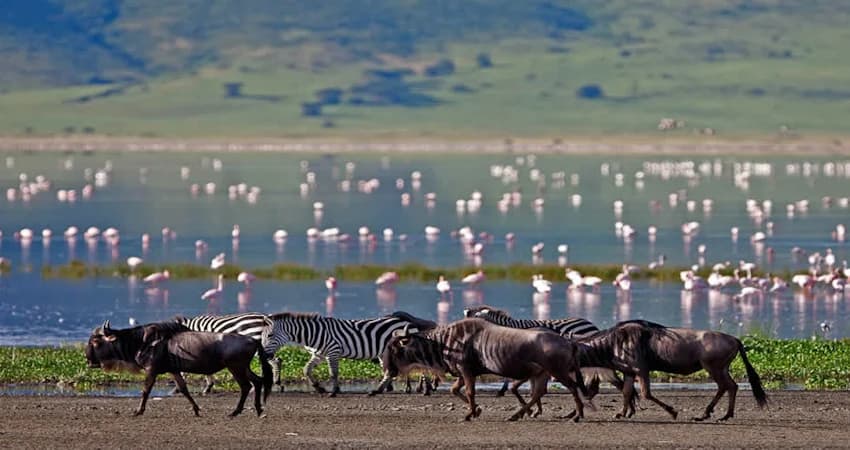
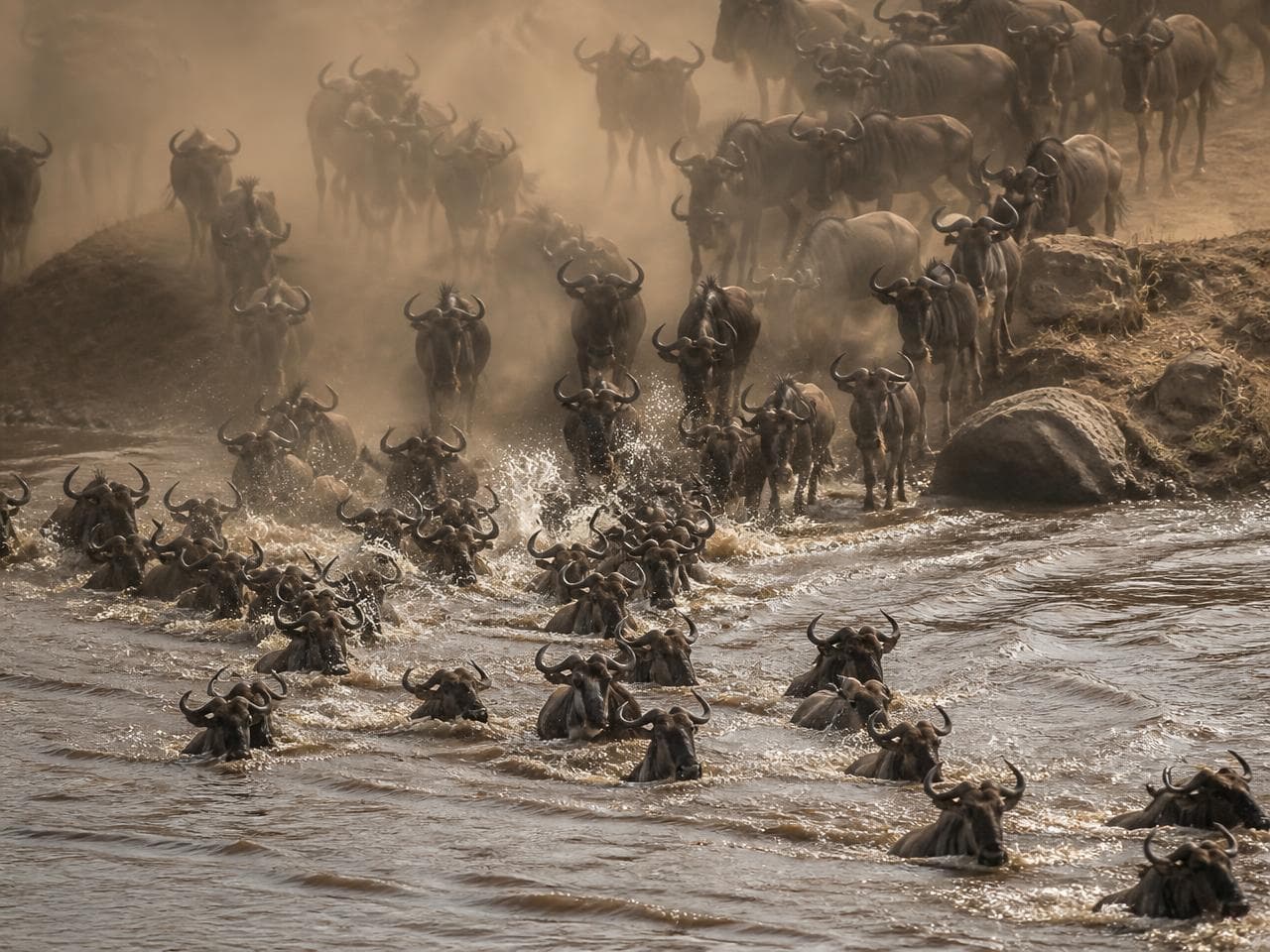
The Great Migration is the reason many travellers book, but it is less a single event than a continuous cycle: calving in the south early in the year, a westward drift through the Grumeti country, the dramatic Mara River crossings of the dry season, then a return south with the short rains. Positioning your camps for the right month matters more than travelling in any one “peak” season.

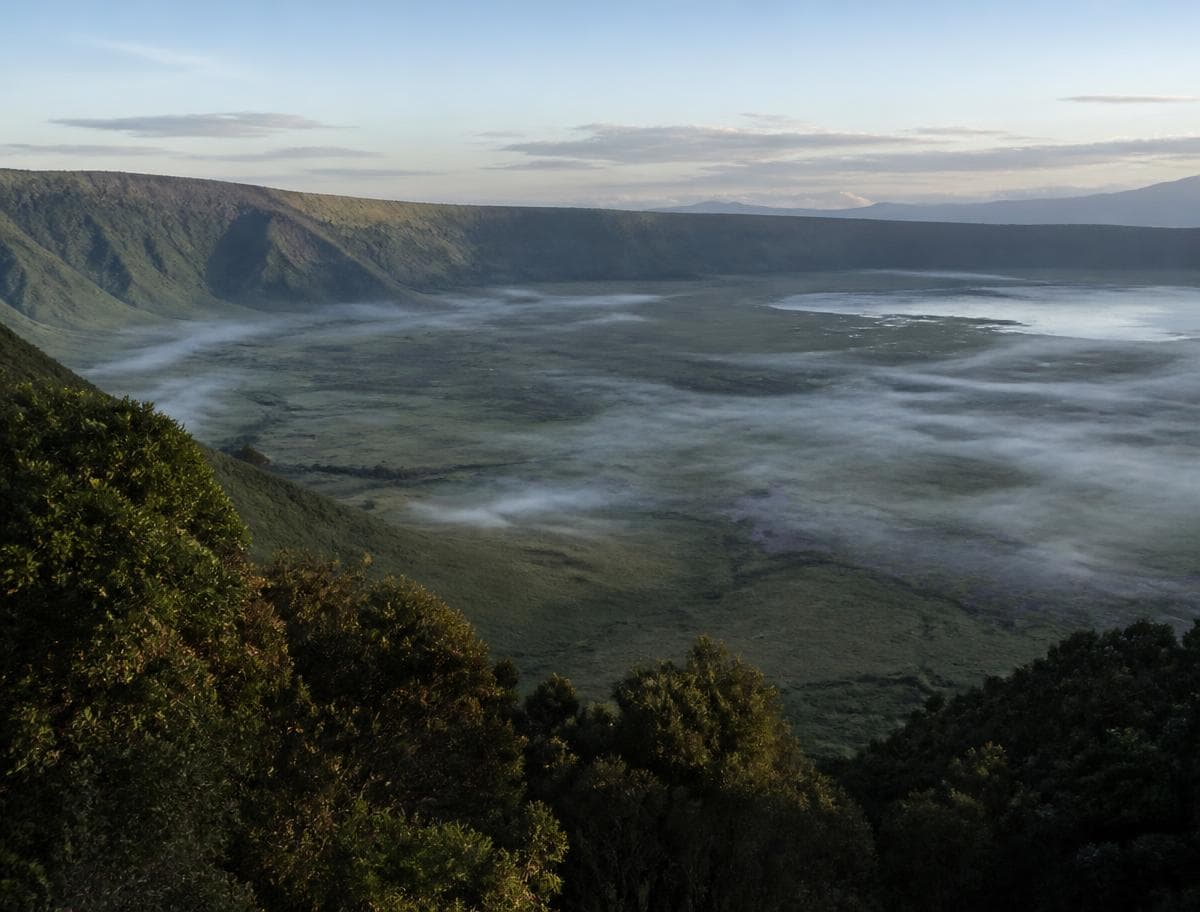
The Serengeti and Kenya’s Maasai Mara are the same ecosystem either side of an international border. The Mara is smaller, more compact and easier to cover in a few days; the Serengeti rewards more time and gives a stronger sense of scale and remoteness. Compared with Ngorongoro, which is enclosed and densely populated with resident animals, or Tarangire with its baobabs and elephants, the Serengeti is the place you go for space and for numbers.

Serengeti at a glance

Quick destination facts

Country
Tanzania (northern circuit)
Best known for
The Great Migration and exceptional predator viewing
Best time to visit
Year-round; June–October for dry-season game viewing, January–March for calving
Ideal stay
3 to 4 nights, longer if you follow the migration
Wildlife highlights
Lion, cheetah, leopard, wildebeest and zebra herds, elephant, giraffe, hyena
Closest gateway
Kilimanjaro International Airport via Arusha; light aircraft to Seronera, Kogatende or Ndutu
Landscape
Open short-grass plains, granite kopjes, riverine woodland and acacia savannah
Pairs well with
Ngorongoro, Tarangire, Maasai Mara and Zanzibar

Journeys

Safaris featuring the Serengeti.

Explore routes that include the Serengeti. We discuss each journey around your dates, group and preferred level of accommodation.

Explore the complete catalogue for more routes and durations.Browse all safaris

Timing

When to visit the Serengeti.

There is no closed season. What changes is where the herds are, how green the landscape looks and how many other vehicles you share a sighting with.

  1. Jan – Mar

    Calving on the southern plains

    Herds gather on the short-grass plains around Ndutu to calve. Predator activity is at its most concentrated of the year.

  2. Apr – May

    Long rains, quieter parks

    Green landscapes, fewer vehicles and lower rates. Some tracks are heavy going and a few seasonal camps close.

  3. Jun – Oct

    Dry season and river crossings

    Grass shortens, wildlife concentrates on water, and herds move north — river crossings are usually possible from around July into October.

  4. Nov – Dec

    Short rains, herds returning south

    Brief afternoon showers, fresh grazing and the herds drifting back towards the southern plains.

Seasonal guidance only — herd movement follows rainfall and varies each year.

Regions

The Serengeti is not one place.

Where you stay matters as much as when you travel. These four regions offer quite different experiences within the same park.

  • 01

    Central Serengeti / Seronera

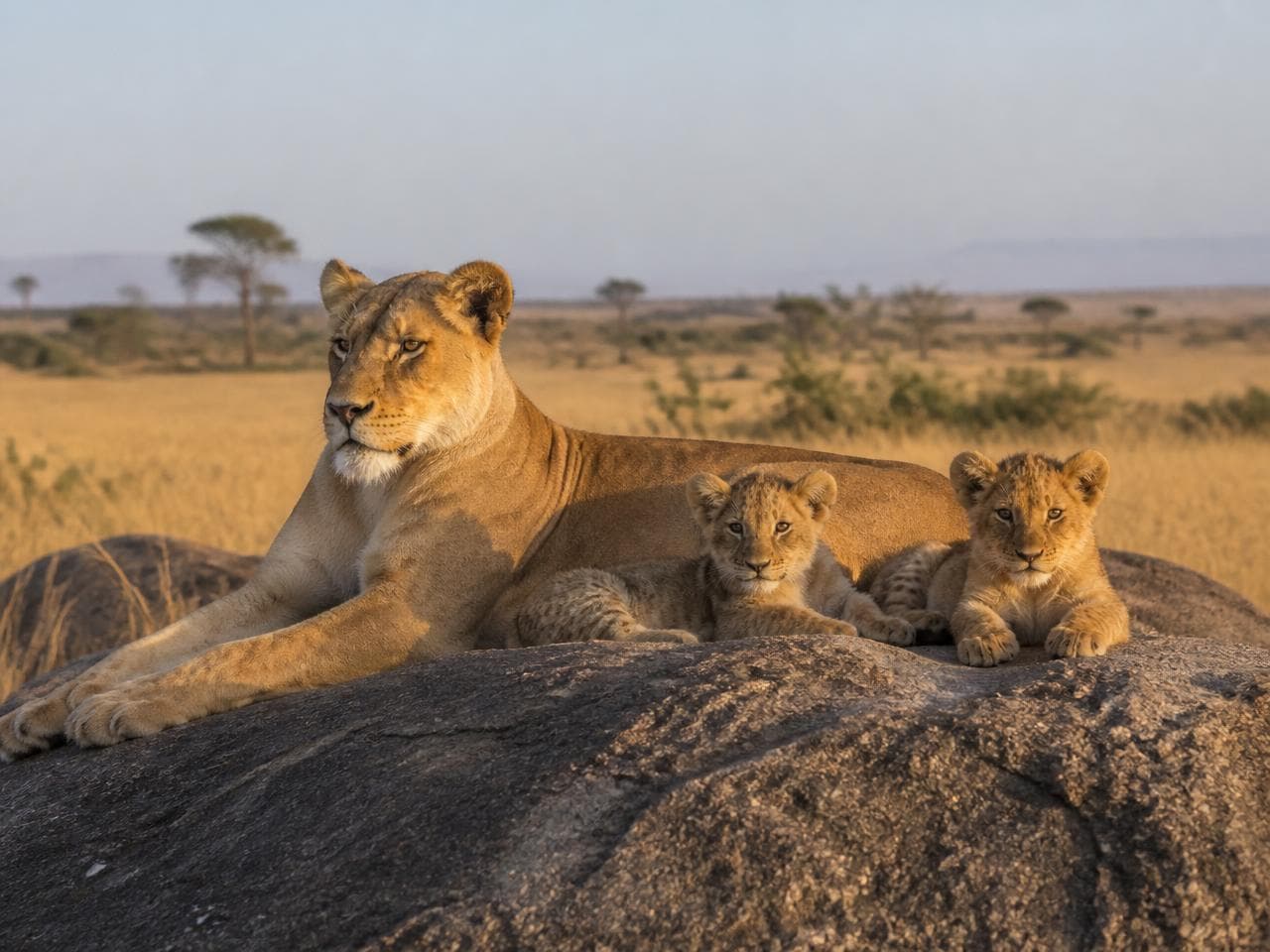
    The park's year-round heart. Permanent water along the Seronera River supports resident lion, leopard and cheetah, which makes it the most reliable region whatever the month.

    Lioness and cubs resting on a rock in the Serengeti
  • 02

    Northern Serengeti

    Rolling hills and the Mara River. From roughly July to October the migration concentrates here and river crossings become possible; camps are fewer and the feel is remote.

    Wildebeest herd plunging through a river during the migration crossing
  • 03

    Western Corridor

    A strip of woodland and black-cotton plains running towards Lake Victoria, crossed by the Grumeti River. Herds pass through around May and June.

    Giraffes silhouetted against an orange sunset among acacia trees
  • 04

    Southern Serengeti / Ndutu

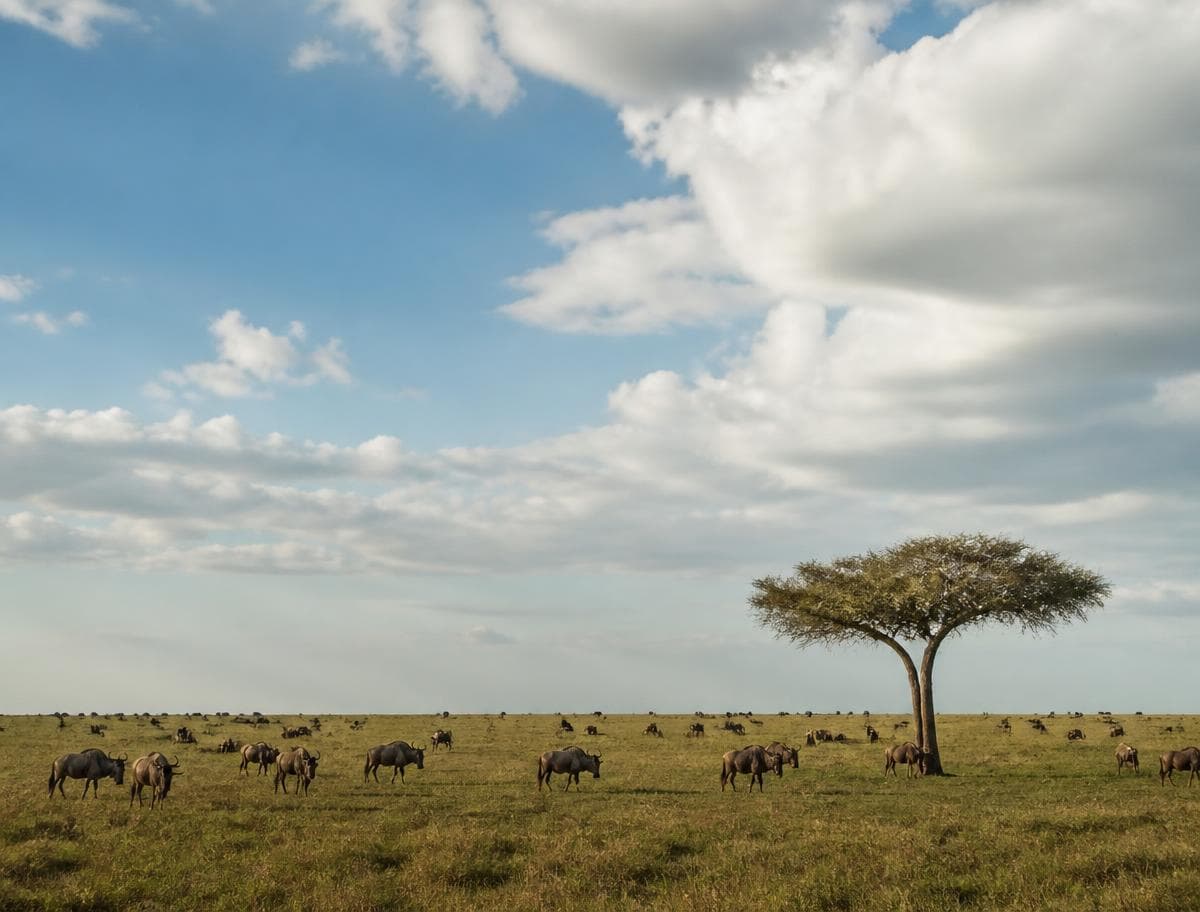
    Open short-grass plains that fill with herds from December to March for calving. Wide horizons, excellent light and exceptional predator viewing in season.

    Lone acacia tree on wide green plains under a sky of cumulus clouds

Wildlife and experience

What days in the Serengeti look like.

  • Lioness and cubs resting on a rock in the Serengeti

    Big cats

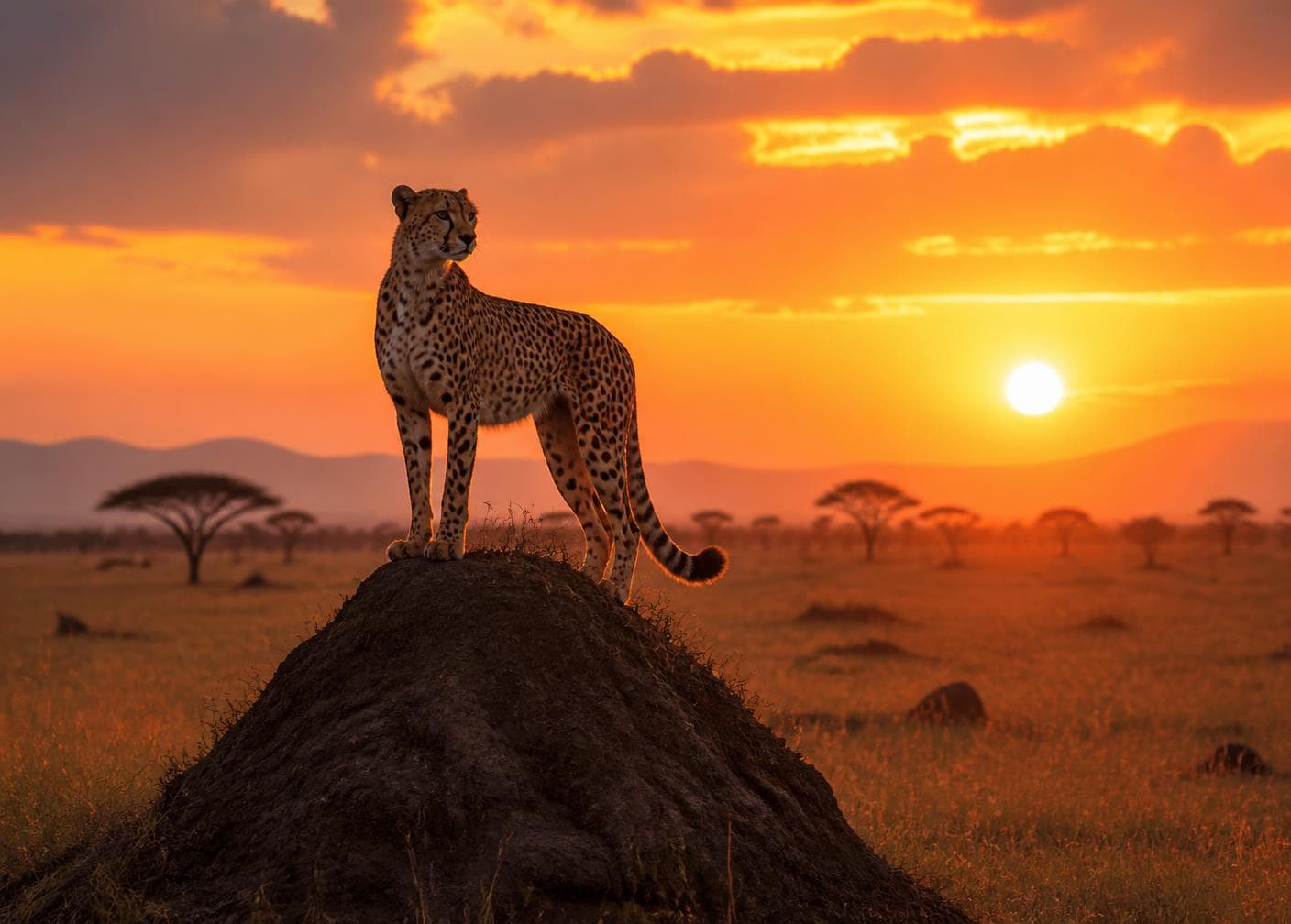
    Lion prides on kopjes, cheetah on the open plains and leopard along the riverine trees.

  • Wildebeest herd plunging through a river during the migration crossing

    Migration herds

    Wildebeest and zebra moving in their thousands, on a route shaped by rainfall.

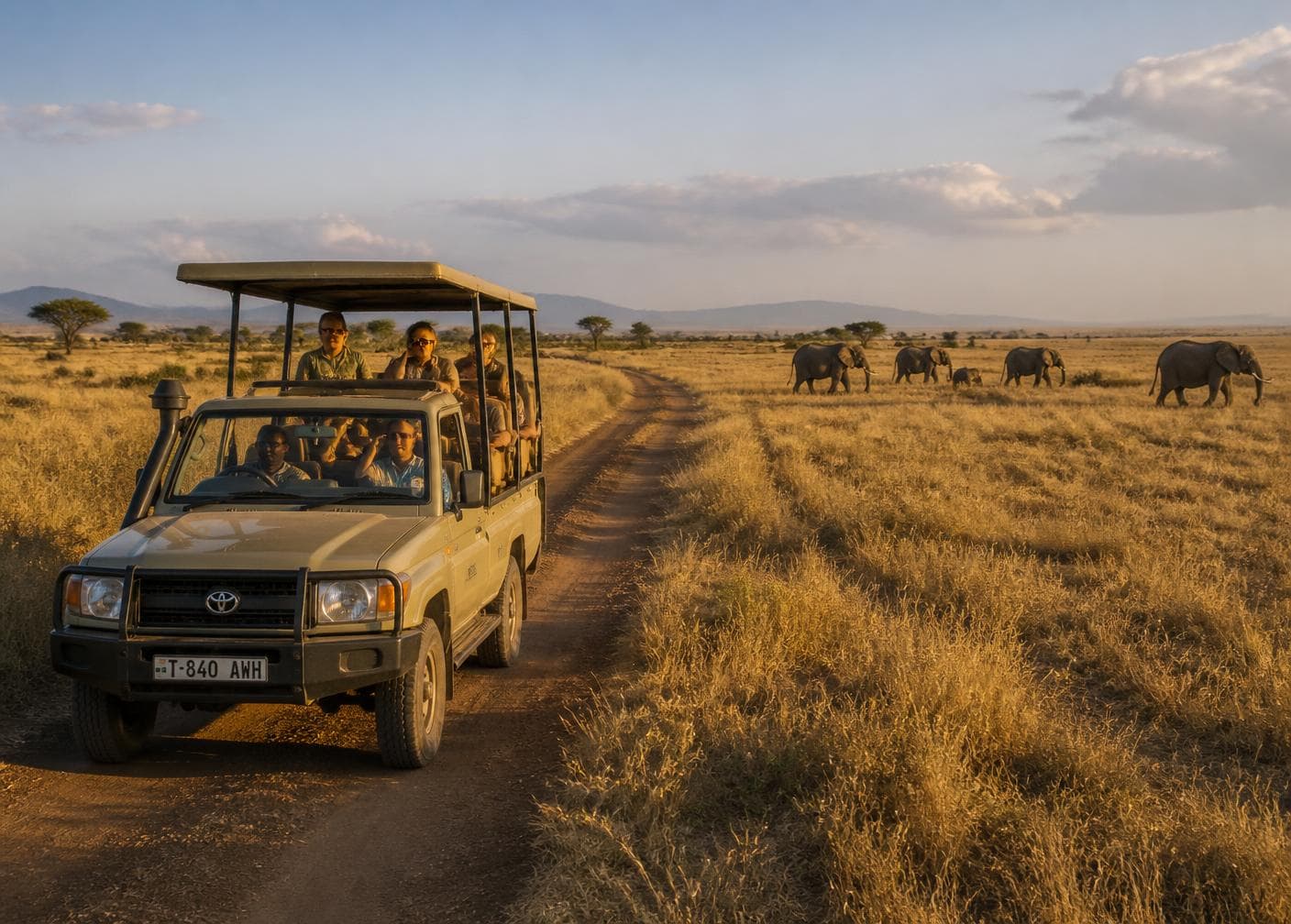
  • Open-sided 4x4 Land Cruiser on a dirt track through dry grassland

    Sunrise game drives

    Leaving camp in the cold before first light, when predators are still active.

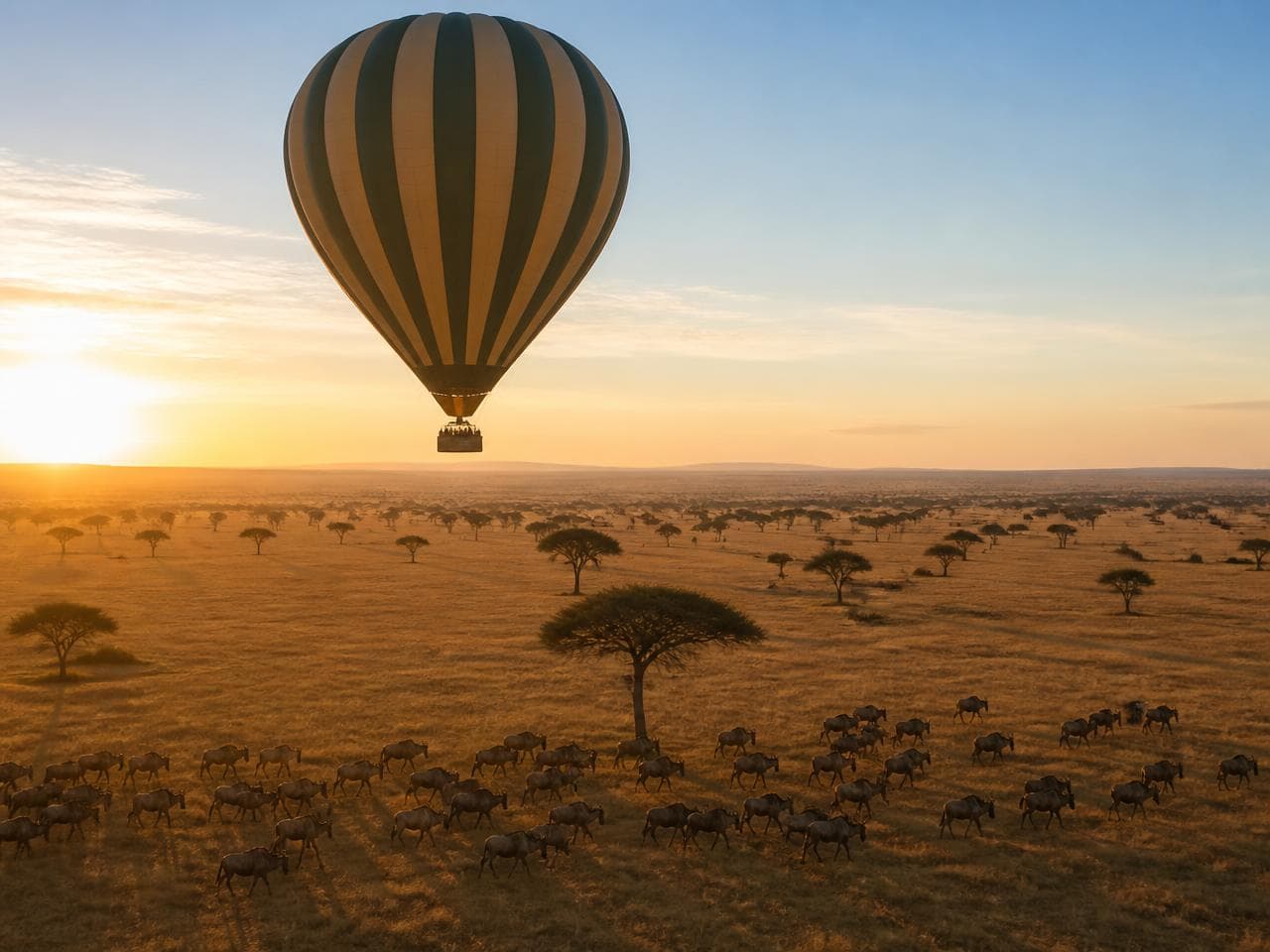
  • Hot-air balloon above the Serengeti plains at sunrise

    Balloon safari

    A dawn flight low over the plains, usually followed by breakfast in the bush.

  • Enamel coffee pot, cups and fruit laid out for a bush breakfast in the grass

    Bush dining

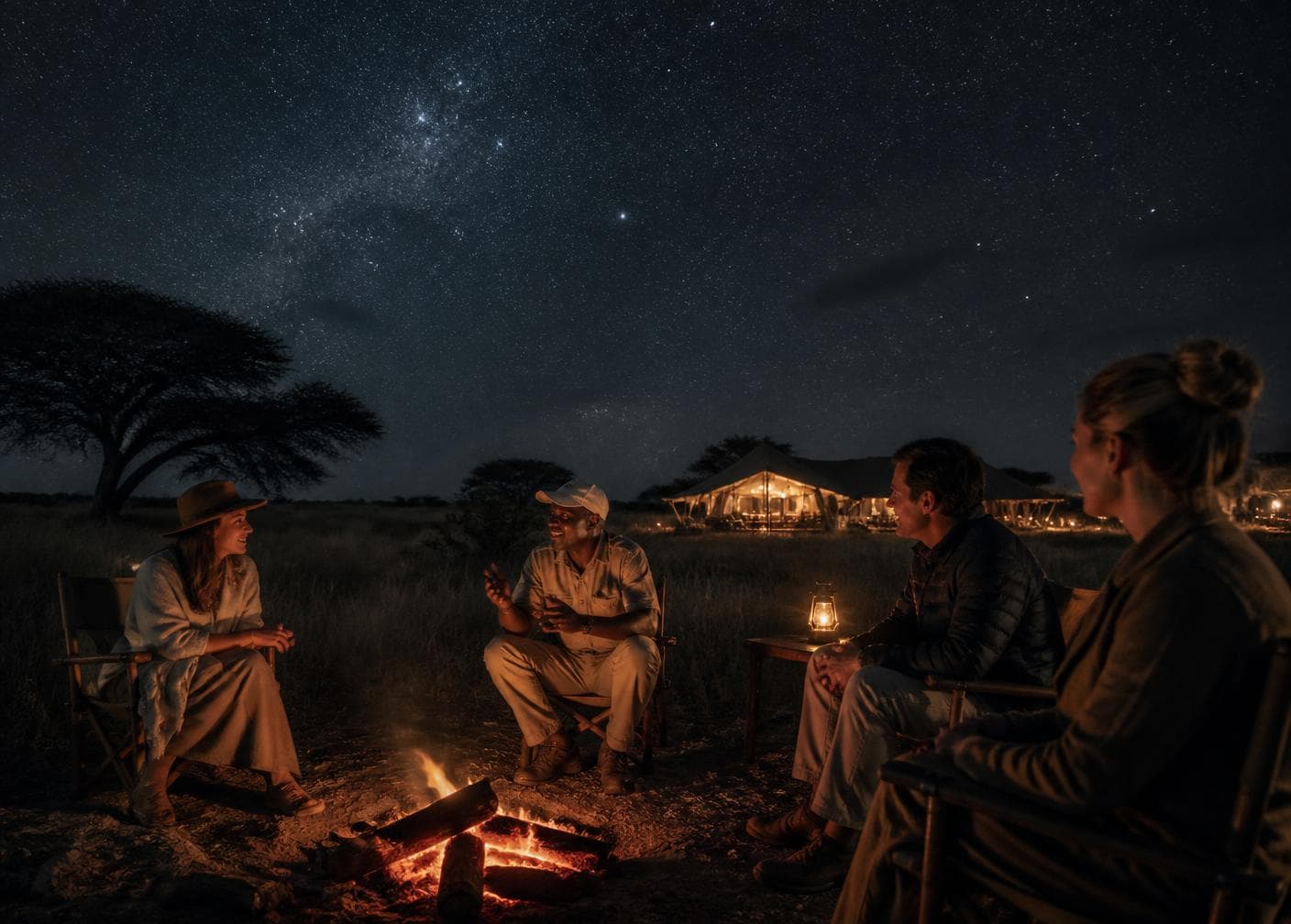
    Breakfast set out under an acacia, or dinner by lamplight back at camp.

  • Tented camp veranda with chairs facing the plains at sunset

    Photography

    Long unhurried sits at a sighting, with a guide who understands light and angles.

Before you travel

Serengeti questions, answered.

Plan your Serengeti safari

Plan your Serengeti safari.

Tell us when you want to travel and what you want to experience. We'll recommend the right region, camps and safari route.

WhatsApp