A moving ecosystem
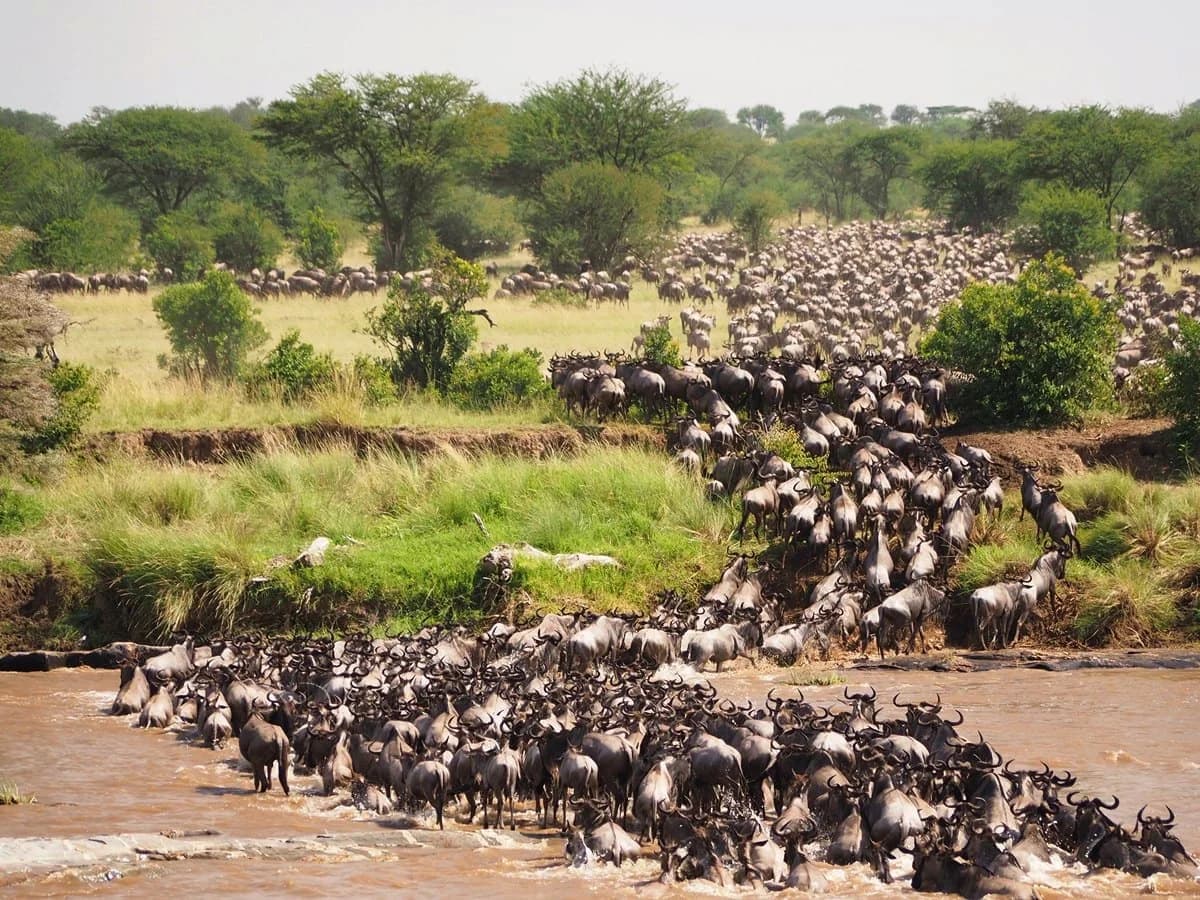
The Great Migration is the movement of large grazing herds through the Serengeti–Mara ecosystem. Rain and the availability of grazing help shape where animals gather. A calendar can suggest a broad area to consider, but it cannot tell you where a particular herd will be on the day you arrive.
The Maasai Mara and the Serengeti are both important parts of this landscape. Ask which area a proposed camp gives access to, and how that location relates to the season you want to travel.
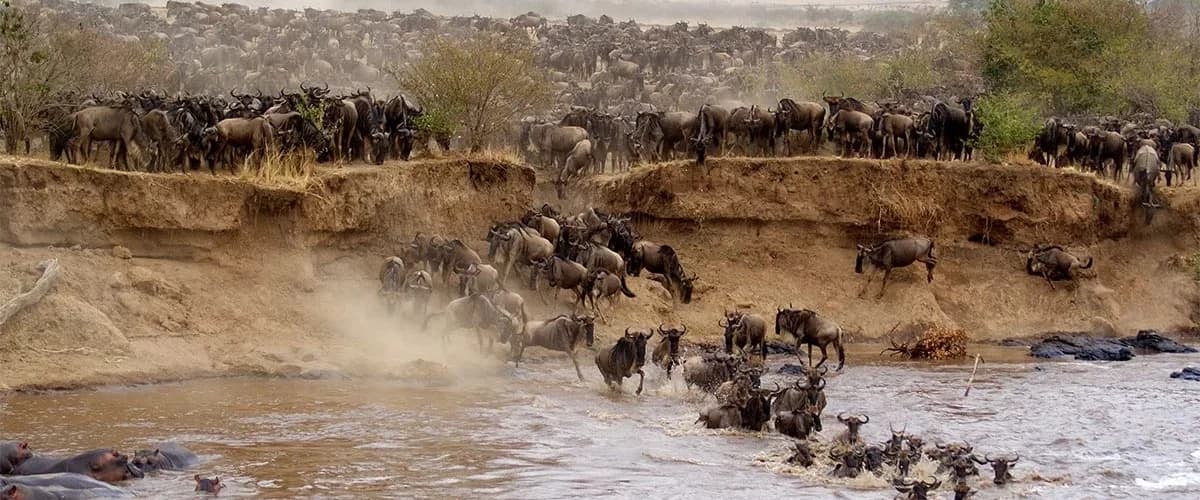
River crossings are an opportunity, not an appointment
Herds may gather near a river without crossing it, or cross while visitors are elsewhere. A quotation should never promise a crossing. Time in the right region improves the opportunity to observe the animals, but the best experience also includes patient attention to the wider landscape.
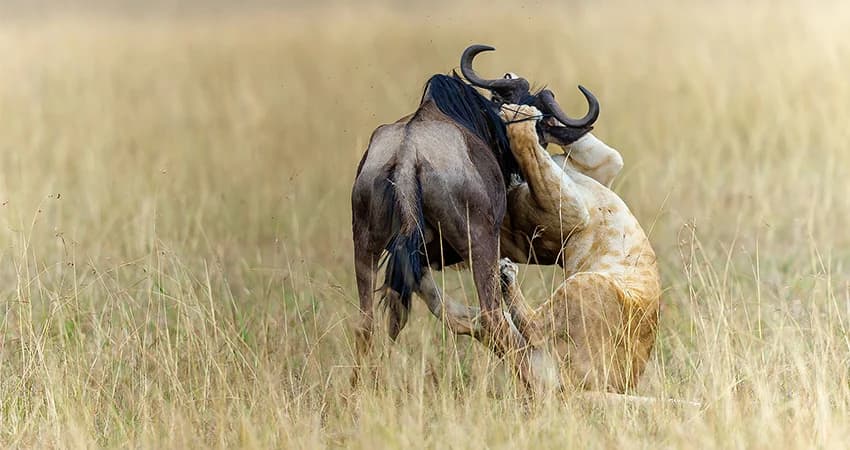
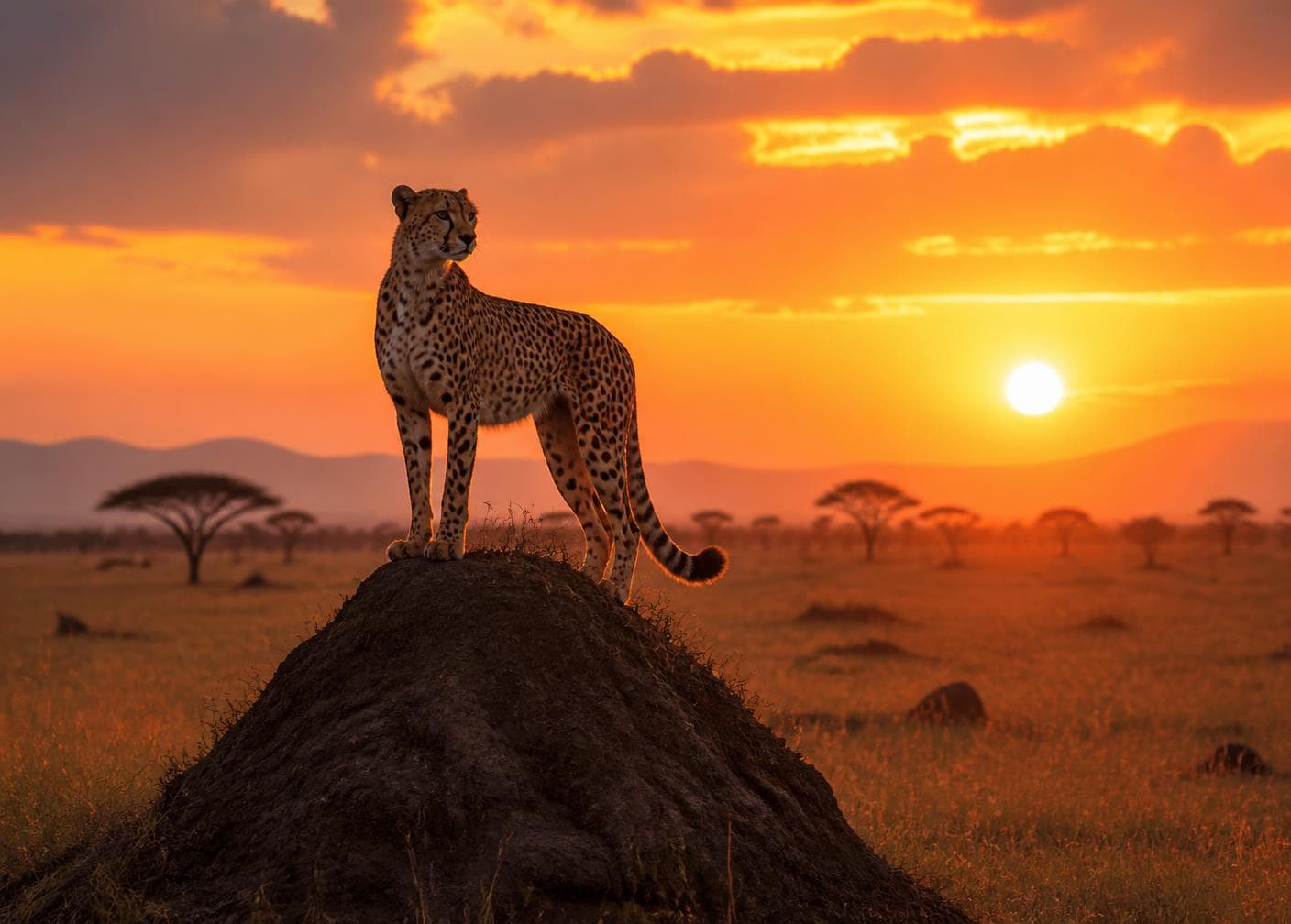
Resident predators, birds and other grazing animals make the ecosystem interesting beyond the most dramatic migration photographs. Build a trip that you would enjoy even if a crossing does not occur.
Choose a route with room to stay
Several consecutive days in a suitable wildlife area usually give more flexibility than a succession of single-night stops. Discuss the balance between travel time and time in the field, and ask about alternatives if seasonal conditions shift the herds.